
 English
 中文简体
中文简体 русский
 عربى
عربىHow Can Custom Ceiling Design Meet Different Project Requirements?
2026-10-02
Commercial ceiling projects rarely follow exactly the same specifications. An office renovation may require a clean, consistent finish, while a retail interior may use varied ceiling heights, distinctive colors, or different panel arrangements to create visual interest. For contractors, designers, and building material distributors, the challenge is finding a ceiling system that accommodates these differences without making manufacturing, installation, and procurement unnecessarily complicated.
Define the Project Requirements Before Production
Customization should begin with a clear understanding of the space. Ceiling dimensions, room geometry, mounting conditions, lighting positions, and design preferences all influence the final configuration.
When specifying an Aluminum Baffle Ceiling, buyers should provide available drawings, approximate quantities, preferred finishes, and any special requirements for edges or transitions. This information helps the manufacturer identify which details can follow standard configurations and which need project-specific planning.
Confirming these requirements early also reduces the risk of producing panels that look correct individually but do not fit the intended layout.
Select Panel Dimensions for the Space
Baffle length, profile shape, height, and spacing affect both the appearance and installation arrangement of a ceiling. Long panels can create a continuous visual direction, while shorter sections may be more practical in spaces with multiple boundaries or service openings.
The selected dimensions should reflect the room layout and the installation system. Buyers should also consider how panels will be transported, handled, and positioned at the project site.
For unusual room shapes, it is useful to review detailed drawings before finalizing the order. This gives the manufacturer an opportunity to assess panel segmentation, perimeter treatment, and the components required to complete the installation.
Manage Color and Finish Consistency
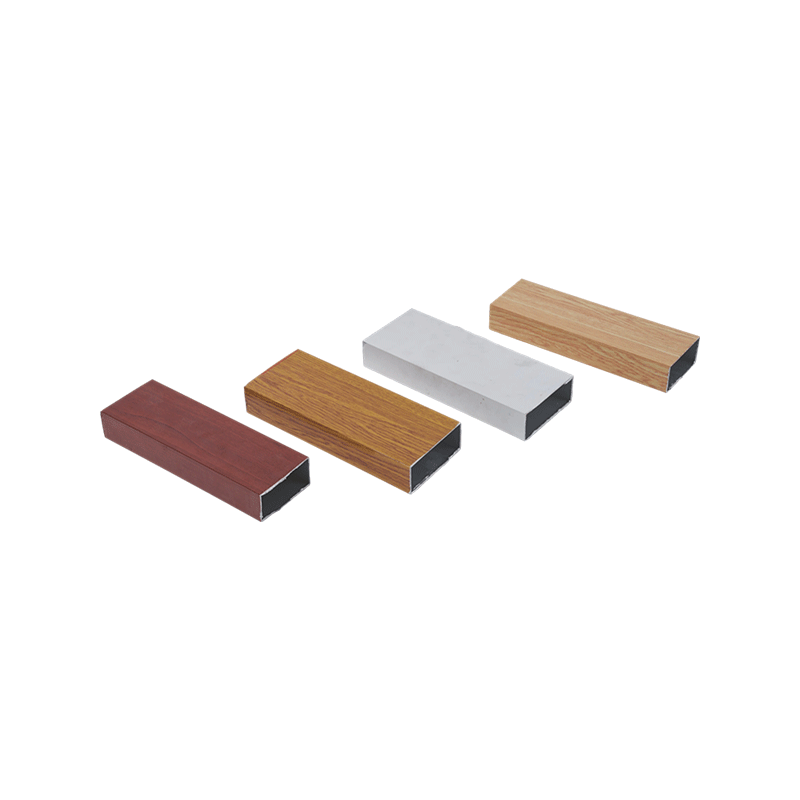
Color selection is an important part of architectural customization. A finish that appears suitable on a small sample may look different when installed across a large ceiling under varied lighting conditions.
Before bulk production, buyers should approve a representative sample and confirm the finish specification. The approved reference can then guide manufacturing and inspection.
For projects involving multiple batches, the order should clearly identify the required color, surface treatment, and any agreed appearance criteria. Consistent documentation helps reduce uncertainty when additional panels are needed later or when several areas of a building use the same finish.
Plan for Irregular Areas and Transitions
Not every ceiling is a simple rectangle. Columns, curved boundaries, changes in ceiling height, and integrated fixtures can create areas that require additional coordination.
An Aluminum Baffle Ceiling project may therefore need carefully planned panel lengths, perimeter details, or transitions between different ceiling sections. These decisions should be based on the actual site drawings rather than rough measurements alone.
Manufacturers can review the proposed layout and identify details that require confirmation before production. Contractors should also verify critical dimensions on site when the construction conditions may differ from the original drawings.
Balance Customization With Production Efficiency
Highly customized designs can create additional manufacturing and coordination requirements. Different panel dimensions, multiple finishes, and small quantities may require separate production arrangements and more detailed identification.
A practical approach is to standardize components where possible while reserving customization for areas where it provides a clear design or functional benefit. This can simplify quantity planning and make replacement orders easier to organize.
Buyers should discuss the balance between standard and custom components with the manufacturer before confirming the final specification. The aim is to achieve the intended design without introducing unnecessary complexity.
Protect Finished Panels During Delivery
Ceiling panels can be vulnerable to scratches, bending, and surface damage during handling and transportation. Packaging should reflect the panel dimensions, finish type, shipping method, and expected handling conditions.
For larger projects, clear labeling by size, finish, or installation area can help contractors sort delivered materials more efficiently. Buyers should confirm packaging arrangements and inspection procedures before dispatch, particularly when an order contains multiple configurations.
Organized packaging also makes it easier to identify missing or damaged components before installation begins.
Build Customization Around Clear Communication
A successful customized ceiling project depends on coordination between design requirements and manufacturing capabilities. Buyers evaluating an Aluminum Baffle Ceiling manufacturer should clarify drawings, dimensions, finishes, quantities, tolerances, packaging, and delivery expectations before production starts.
As a manufacturer, we consider specification review and sample confirmation important steps in preparing project-based orders. Clear information helps align production with the intended design and reduces avoidable changes during installation. By planning customization carefully, buyers can obtain a ceiling system that suits the space while keeping procurement and project coordination manageable.

Contact Information
-

l54426943@qq.com
-

+86-19511255785
-

316 Hongzhou Ave, Hongjia Subdist, Jiaojiang, Taizhou, Zhejiang, China
Copyright © Taizhou Fangfei Building Materials Technology Co., Ltd. All Rights Reserved.
