
 English
 中文简体
 русский
 عربى
What Can Manufacturers Do to Make Custom Baffle Ceiling Projects Easier to Install?
2026-10-16
Custom ceiling projects often involve multiple room layouts, different ceiling heights, and detailed coordination with lighting and building services. Even when the design is approved, problems can still arise if components arrive without clear identification, dimensions do not match installation drawings, or different areas require parts that look similar but are not interchangeable. For contractors and procurement teams, these issues can create additional site work and disrupt installation schedules. Manufacturers can help prevent avoidable difficulties by connecting production planning with the practical needs of installation teams.
Organize Components Around the Installation Layout
Large commercial projects may contain several ceiling zones with different dimensions, finishes, or suspension arrangements. Packing all components together without clear grouping can make it difficult for installers to identify the correct parts.
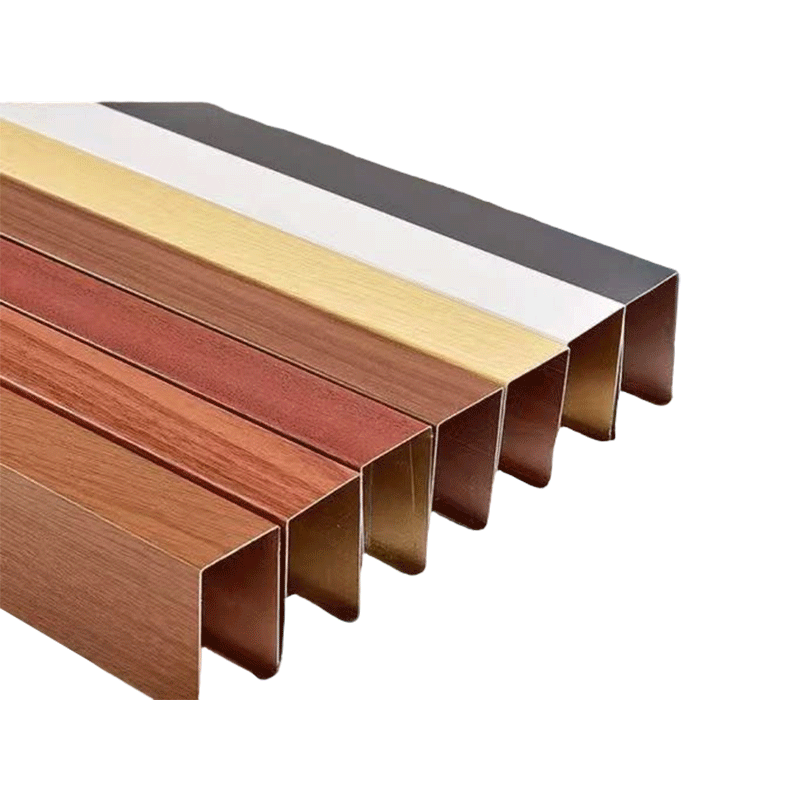
When producing an Aluminum Baffle Ceiling, manufacturers should review the project's area divisions and determine whether components can be identified by room, zone, or installation sequence. Labels and packing lists should correspond with the approved drawings so that site teams can locate the required materials without repeatedly measuring or sorting individual pieces.
This preparation is particularly useful when several installation teams work in different areas of the same building.
Verify Dimensions Before Packing
Dimensional inconsistencies can affect alignment across a ceiling, especially where long baffles form continuous visual lines. A small discrepancy in component length or support positioning may become more noticeable when several sections are installed together.
Manufacturers should establish inspection points for key dimensions and verify products against the approved specifications before packing. The inspection process should also account for any customized edge details, connection components, or transitions between ceiling sections.
For buyers, agreeing on critical dimensions and acceptance criteria before production gives both parties a clearer basis for checking finished components.
Protect Surface Finishes During Transportation
Aluminum ceiling components may develop scratches, dents, or surface marks if they move against one another during handling. The risk can increase when products have long profiles or specially finished surfaces that require careful protection.
Packaging should be selected according to component dimensions, finish requirements, transportation conditions, and unloading arrangements. Protective separation, suitable wrapping, and stable carton or crate construction can help reduce contact damage.
Manufacturers should also provide clear handling instructions where necessary. Buyers can review packaging samples before bulk shipment when the project involves unusual lengths, finishes, or delivery constraints.
Keep Customized Parts Easy to Identify
Custom ceiling projects may include standard baffles alongside special lengths, edge profiles, or components designed for specific locations. If these items are difficult to distinguish, installers may need to stop work to confirm their intended positions.
A practical identification system can include part codes, dimensions, finish references, and installation-zone labels. These details should match the production drawings and packing documentation.
Consistent identification also supports replacement requests. If a component is damaged or a site measurement changes, the project team can communicate the required specification more accurately.
Coordinate Production With Site Readiness
Manufacturing and installation schedules do not always progress at the same pace. If materials arrive before the site is ready, storage space may become a concern. If delivery is delayed, installers may need to rearrange their work sequence.
Before confirming production and shipment arrangements, buyers should communicate the expected installation sequence, site access conditions, and any delivery restrictions. Manufacturers can use this information to plan production batches and organize packaging according to the agreed delivery arrangement, subject to actual capacity and logistics requirements.
Document Changes Before They Reach the Factory Floor
Construction drawings may change as lighting positions, service routes, or room dimensions are finalized. Producing from an outdated drawing can lead to mismatched components and unnecessary rework.
A controlled revision process should identify the latest approved drawing, record changes, and confirm whether they affect material quantities, component dimensions, or delivery timing. Both the buyer and manufacturer should acknowledge significant revisions before affected parts enter production.
Make Delivery Part of the Manufacturing Process
A well-planned ceiling project depends on more than accurate fabrication. By coordinating drawings, dimensional checks, packaging, component identification, and delivery sequencing, manufacturers can help contractors manage installation with fewer avoidable interruptions. An Aluminum Baffle Ceiling manufacturer that considers site requirements during production planning can provide a more organized purchasing experience and support consistent results across customized commercial interior projects.

Contact Information
-

l54426943@qq.com
-

+86-19511255785
-

316 Hongzhou Ave, Hongjia Subdist, Jiaojiang, Taizhou, Zhejiang, China
Copyright © Taizhou Fangfei Building Materials Technology Co., Ltd. All Rights Reserved.
